Trust Is Never Something You Can Claim: Ramesh Chitor on What a Real AI Bias Audit Actually Requires
Q1. What actually distinguishes a rigorous, defensible bias audit from something that only looks like due diligence — and where do organizations underestimate what “evidence” means to a regulator or a court?
In enterprise deals I learned the difference between someone telling you they’re covered and someone who can actually prove it — that’s the whole gap here. A real bias audit is numbers broken out by group: impact ratios, significance tests, not a memo saying “we thought about fairness.” Where people get caught out is assuming a vendor’s word or a dashboard is evidence — a court wants math it can re-run itself.
Q2. What has to change technically when you apply the 1978 four-fifths / disparate-impact framework to a modern AI hiring model — embeddings, resume-parsing LLMs, proxies? Where does the old framework hold, and where does it strain?
The old rule still works because it measures outcomes, not mechanics — you don’t need to open the black box to see who got picked. Where it strains: the model buries bias in proxies like ZIP code or name, and you often can’t explain what it’s even measuring — which makes the old “prove it’s job-related” defense very hard to mount.
Q3. Where in the end-to-end hiring pipeline does bias most often originate, and how does that change what a truly independent audit has to examine beyond the model’s outputs?
The bias usually shows up at the model but starts long before it — in how the job description is written, where you advertise, the screening filters, the old hiring data you trained on. So you can’t just audit the model’s output; you have to walk the whole funnel and see where people drop off, and for whom.
Q4. What does a credible ongoing monitoring and re-audit cadence actually look like — how often, triggered by what, and what happens to organizations that treat their first audit as a permanent clean bill of health?
A one-time audit is like signing a contract and never reading it again. Re-check at least yearly, but really any time the model changes, the applicant pool shifts, or a new version ships. The ones who treated the first pass as a permanent clean bill usually discover the drift only when a complaint or a lawyer forces them to look.
Q5. What does genuine independence require in practice beyond not being an employee — methodology transparency, access to training data, the auditor’s own incentives — and how should a platform or employer evaluate whether an auditor’s independence is real rather than nominal?
Not being an employee is the floor, not the bar. Genuine independence means no stake in a passing grade, real access to the actual data and training set instead of a tidy summary handed to you, and a method transparent enough that someone else could repeat it. My simple test: who’s paying, what did they insist on seeing — and have they ever actually failed anyone?
Q6. Across a long career in business roles before this chapter — working at the intersection of trust, compliance, and enterprise AI — what is the most important lesson about trust that shapes how you think about making an AI system trustworthy?
Trust is never something you can claim. This is something you build over years, decades, day over day, it’s what people conclude about you from consistent behavior over time and your willingness to be checked. Making an AI trustworthy is the same discipline. It is not a promise that it’s safe, but the ability to show its work and let itself be independently verified.
………………………………………………………….
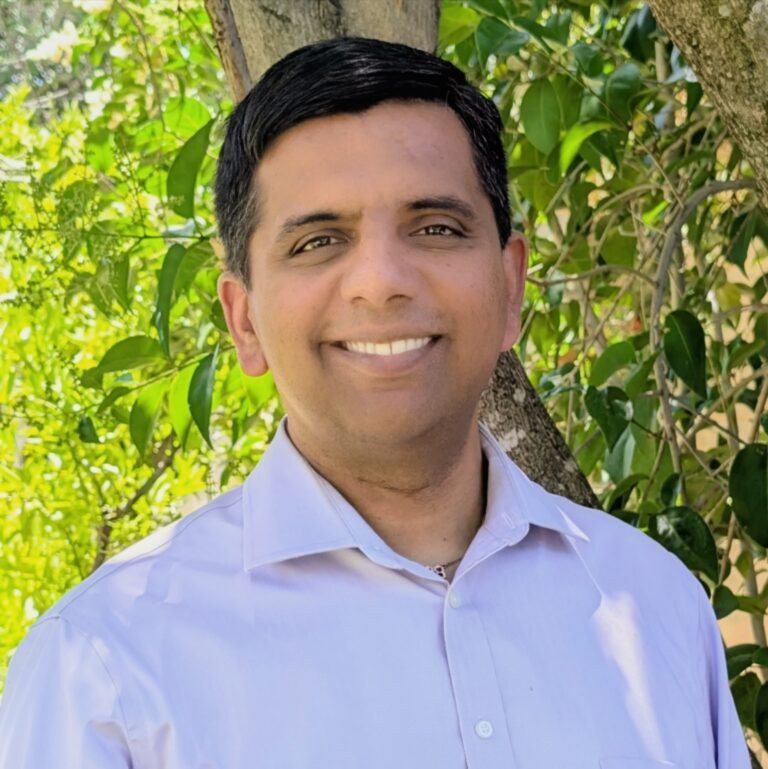
Ramesh Chitor
Ramesh Chitor is a seasoned business leader with over 20 years of experience in the high-tech industry working for TrustModel.ai. Ramesh brings a wealth of expertise in strategic alliances, business development, and go-to-market strategies. His background includes senior roles at prominent companies such as IBM, Cisco, Western Digital, Rubrik, and Perplexity.
Ramesh is a value and data-driven leader known for his ability to drive successful business outcomes by fostering strong relationships with clients, partners, and the broader ecosystem.
Connect on LinkedIn
Resources
On October 1st, TrustModel.ai is hosting our inaugural Trust and Safety Summit (AI Assurance & Governance Summit 2026) at the Stanford Faculty Club, a one-day, in-person event with frontier-lab keynotes, industry panels, original research, and hands-on labs on AI trust, safety, and governance
Details:
https://trustmodel.ai/summit2026
Sponsored by Chitor.